Stockholm Syndrome

Scandinavia as a region is not known for being cheap, and Stockholm is supposedly one of the most expensive cities in Europe. It was an unsettling thought – the progressive price increases hadn’t let up since I left Thailand. However, Susanna had assured me I’d only really need two days each per city to the see the best bits of both Stockholm and Copenhagen, so I could take small comfort in the fact my time in this expensive area would be relatively brief. Aside from being expensive, Stockholm was also renowned for being a beautiful city – both in its physical aesthetic, and the people who lived inside it. “Stockholm is such a fashionable city,” Susanna had told me in our discussion about my future travels. “Everyone there is just incredibly good-looking and so well dressed. I swear, if you lived there you would have to spend nearly your whole paycheque on clothes just to keep up with the fashion.” From what I’d seen of Swedish men during my time in Australia, I can’t deny I was more than a little excited to be entering this supposed treasure trove of eye candy.

***

Unlike the trip over from Helsinki, navigating the Stockholm upon my arrival was not such smooth sailing. From the map in my guide book I could see that the port was a fair way out from the main city. Actually, that’s only half true – I could very easily see the city and the part of Stockholm I was trying to get to. As the crow flies it would have been a relatively short walk. The problem was that it was across a huge gulf in the river that ran through the city. Later, a local would tell me that Stockholm is known as the Venice of Scandinavia – I hadn’t heard the term before, but by the end of my stay I certainly believed it. Unfamiliar with the public transport system that didn’t even really seem to come down this far in the first place, I was forced to catch a taxi. I asked for the meter – he said there was traffic, and offered me a price that would supposedly be better. He asked for it Swedish Krona – I only had Euros. It was a complicated exchange that didn’t even seem to be helped by the fact he spoke English, but in the end I think the price was fairly decent. I tried not to think about it to much – You’re in Stockholm now, I said to myself. It’s not going to get any cheaper than that.

During my time in Helsinki, I had attempted to search for Scandinavian hosts in Sweden and Denmark, so far to no avail. While I was still desperately clinging to the hope of finding a host in Copenhagen, I resigned to the fact that I would also be paying for accommodation in this beautiful, expensive city. I arrived at the hostel without a reservation, hoping for the best. The hostel had a nautical theme, and a large number of the beds were located in cabin dorms, inside a renovated ship docked out the front in the river. Lucky, they still had room in the 17 bed dorm, located on solid ground and considerably cheaper. Check in wasn’t until 3pm though, so I used the shower, dropped off my bags in luggage storage and set out to explore the city. Stockholm lived up the expectations. Everyone just looked so good. Even people who weren’t conventionally attractive were so well dressed that walking down the streets felt like being an extra on a TV show or movie where the detail in every single background character had been so meticulously planned. The fact that I had been wearing the same tired clothes and repeated outfits for nearly two months didn’t do wonders for my self esteem, and a mild paranoia kicked in where I felt as though just being there was letting the city down, and lowering its standards.
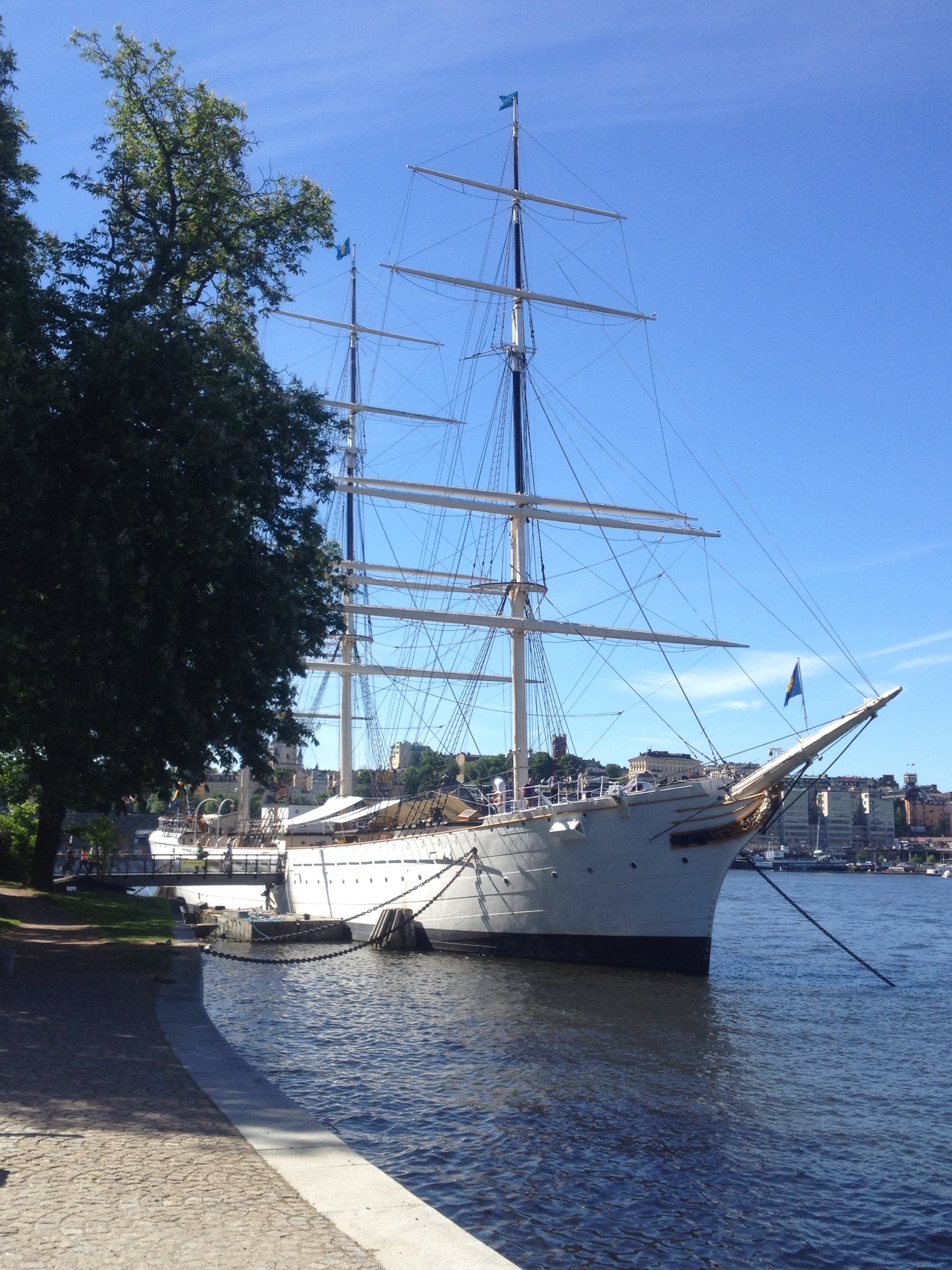
The ship that was actually part of my hostel.

The ship that was actually part of my hostel.

***

Like most cities in Europe, Stockholm had a travellers pass, the ‘Stockholm card’, that you could buy which provided you with either free or discounted entry to many of the city’s attractions, and free unlimited use of the citywide public transport. At first this excited me – regular readers will know how excited I get about good public transport – but further investigation revealed that Stockholm as a city didn’t really have that much public transport. In fact, it just wasn’t a very big city. There were also other passes that gave you access to public bike stands around the city – you swipe the card, the bike rack unlocks a bike, and you can ride it anywhere so long as you return it to another stand somewhere in the city within three hours. However, all these options were only really of any value if you were there for at least 3 or 4 days – the bike pass itself came for a minimum of three days. Given I was only staying for a maximum of two nights, it hardly seemed worth it. I wasn’t planning on visiting a huge number of museums, and I wouldn’t be straying too far from the city centre, which was near enough to my hostel. And so began my extensive walking tour of Stockholm.

Traversing the city by foot was actually a great way to see the city, in my opinion. With the exception of the Gamla Stan area, whose streets mirrored olden days of the 12th Century, there was a quaint, modern beauty to the streets of Stockholm. Clean, refined and operating like a well-oiled machine, it fit the model of typical Scandinavian efficiency that they were generally well known for. Crossing the road was easy because the cars drove slow and steady, but once again locals seemed reluctant to even contemplate jaywalking. I visited a few of what appeared to be the major sights – I honestly didn’t know that much about Stockholm, and had never heard of any ‘must see’ attractions. There was the Riddarholmen Church, a beautiful old building that was home to a large number of tombs, mostly containing nobility from Swedish royal houses. After that was the City Hall, which included a huge tower that provided 360 degree views of the surrounding city. When I went to buy a ticket to go up, the attendant gave me a warning. “The elevator is broken today, so you’ll have to climb the stairs the whole way.” I couldn’t help but laugh – the building looked so old I hadn’t even expected it to even have an elevator. I’d been climbing up the steps of every attraction from the Great Wall of China to St Isaacs Cathedral, and a took a moment to think of Kaylah as I assured the woman that I would be fine with the stairs. It would have been she had wanted.
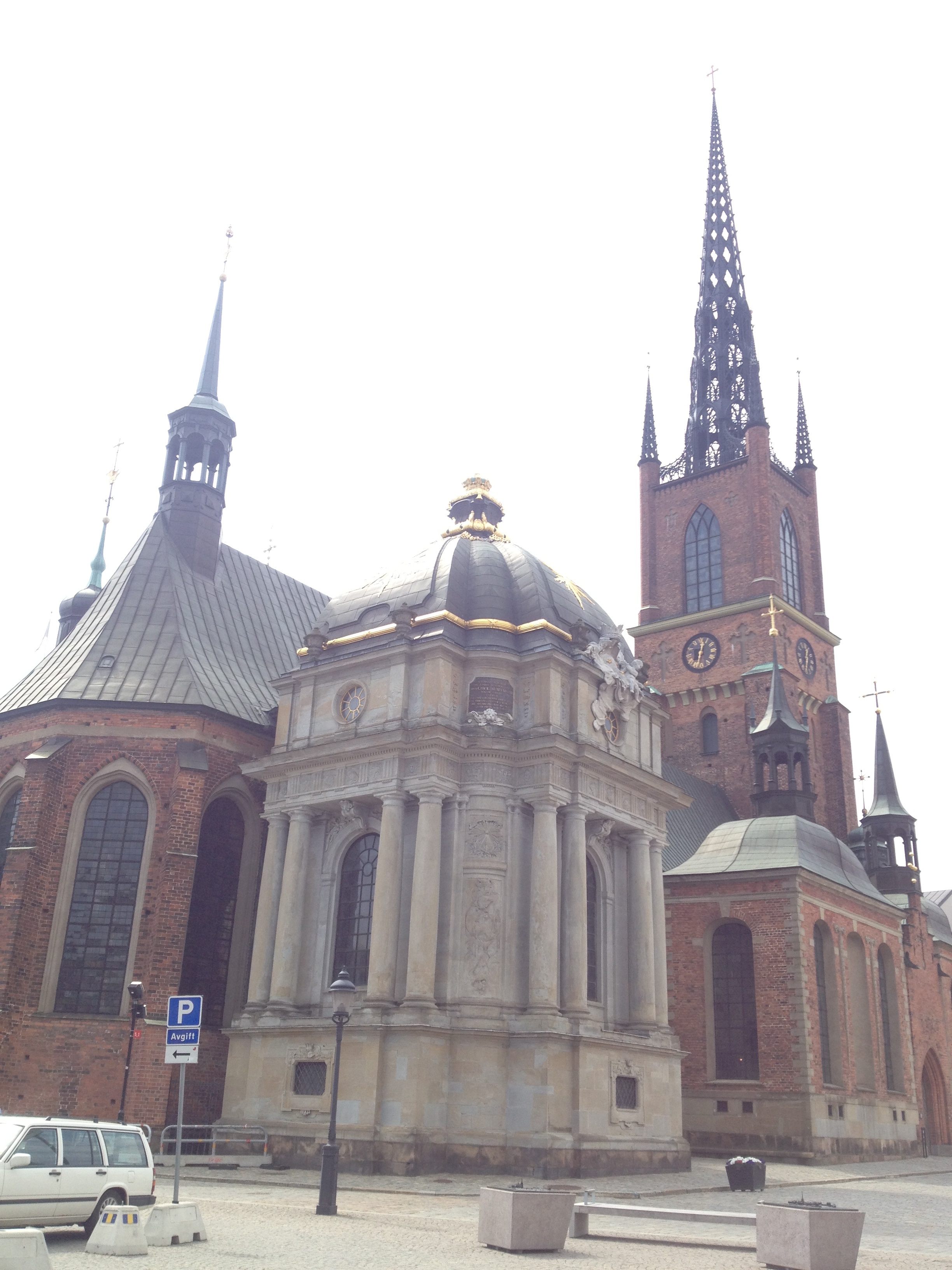
Riddarholmen Church

Riddarholmen Church

The interior of Riddarholmen church - complete with token scaffolding.

The interior of Riddarholmen church – complete with token scaffolding.

City Hall and the tower that I climbed.

City Hall and the tower that I climbed.

There were a lot of stairs though – the upper reaches of the tower, where the elevator didn’t go, was a narrow red brick hallway with a pointed ceiling, which went around and around and around and around and around and around and around and around to the point where I thought that I was trapped in some kind of magicians trick and I was going to end up at the bottom of the tower without ever having emerged at the top. I finally reached the summit though, and it was definitely worth the hike. The panoramic view gave me a better understanding of the city’s layout: the different islands and peninsulas it was composed of; the wide river and multiple canals that divided them up; the obvious architectural distinctions between the old city and the newer parts of Stockholm. It was a cold and windy day, but I stayed up there for quite a while drinking in the sight. Unlike St Petersburg, Stockholm was a city that was quite beautiful from both the street level and from an aerial perspective.

The narrow, never ending staircase.

The narrow, never ending staircase.

The view from the top provided sweeping panoramic views of the city.

The view from the top provided sweeping panoramic views of the city.

***

My second day in Stockholm had substantially better weather, clear blue skies and wam, invigorating sunshine. I set out into the bright morning to explore Gamla Stan, the Old Town of Stockholm. It was a tiny, charming area of the city, with narrow cobbled streets that were sloping in all directions, with some so steep I was actually a little out of breath after climbing them. This was the picturesque Stockholm that looked like it could have been lifted out of a fairy tale, or a children’s storybook. I wandered around the narrow roads until I got to the palace, where I had arrived just in time for the changing of the guard. A whole bunch of Swedish soldiers marched out of the main courtyard, half of them comprising a marching band on horseback, while another set of guards moved in to take their place. I joined the throng of tourists that had gathered to watch, thoroughly impressed by the ability to play their instruments on horseback, more than anything else.
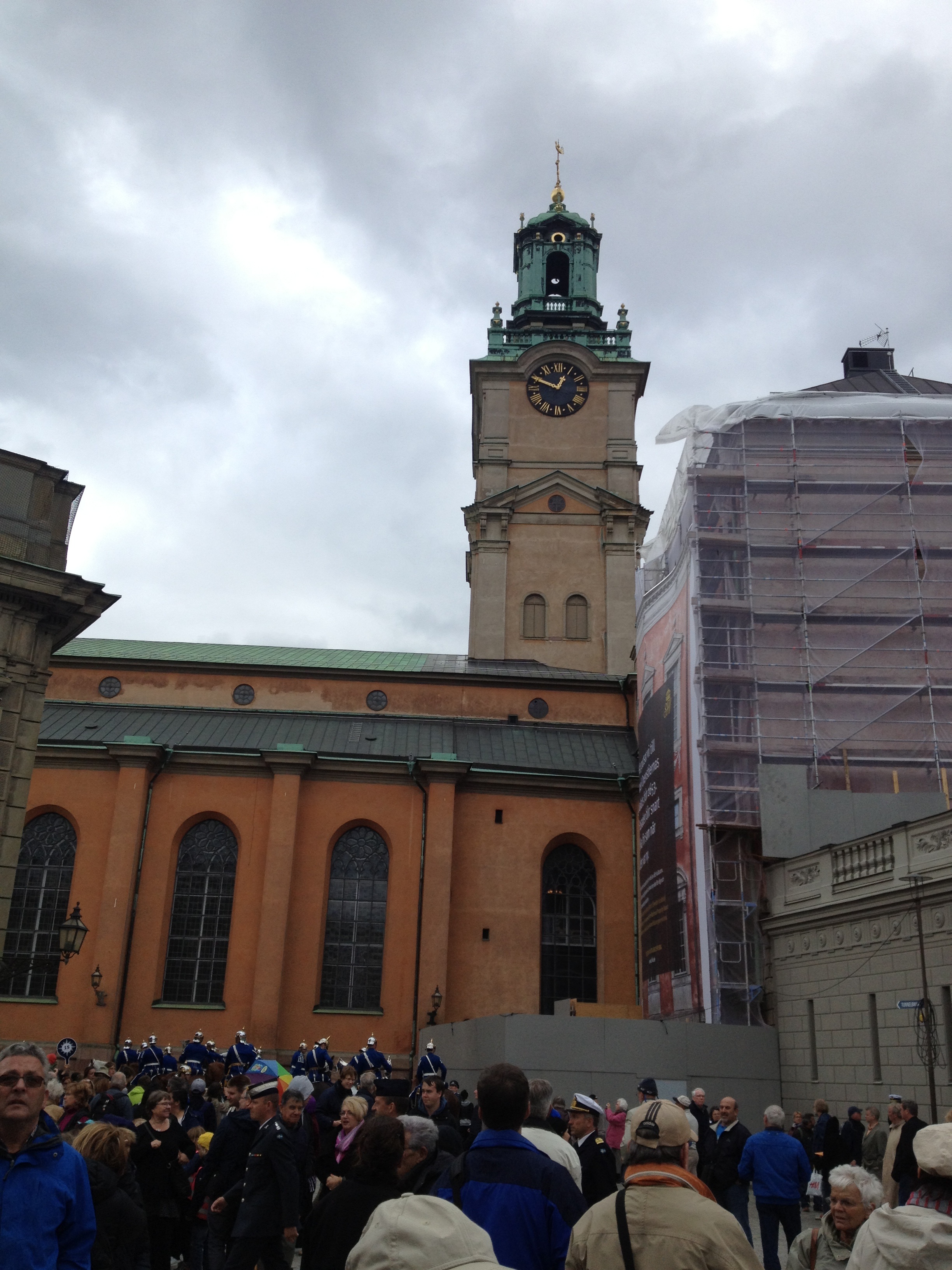
The main palace in Gamla Stan.
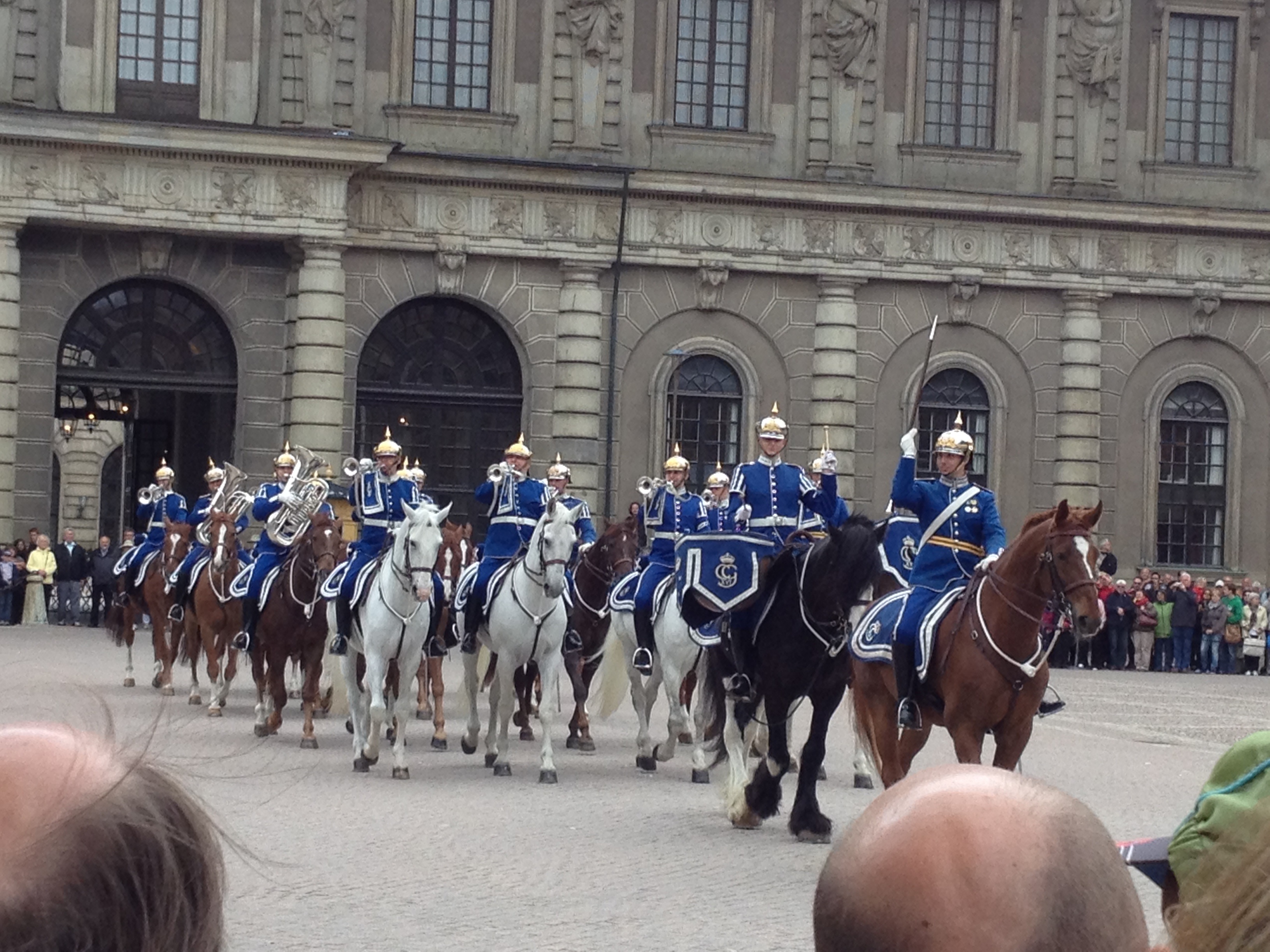
The main palace in Gamla Stan.

The horseback band at the Changing of the Guard.

The horseback band at the Changing of the Guard.

The charming little streets of Gamla Stan.

The charming little streets of Gamla Stan.

There were lots of sightseeing tours in Stockholm, most of them by boat. It seemed like the most obvious and easiest way to see the city, dissected as it was over and over again by the multiple canals, but as I examined the list of tours and respective prices, I couldn’t help but feel it was such a grossly touristic thing to do, not to mention they seemed far too overpriced. So instead I spent my afternoon on an island called Skansen. All the islands of Stockholm are joined by bridges, so I strolled through the more modern streets of the city until I reached Skansen, an island almost completely made up of greenery: forests and parks and grassy clearings and trails through the woods. There was even a theme park with a few rides, but I had a more leisurely afternoon in mind. Everywhere there were people exercising, going for their afternoon and evening runs, and I followed along the roads that ran along the outside of the huge island, stopping to admire some of the statues along the way, before turning inland and hiking off a short way up into the hills. It was like a slice of natural heaven, completely isolated, right in the middle of the city. You would never have guessed it though – there was only the faintest sounds of the city in the distance, so quite that you really had to strain your ears to even notice them. I found a sunny clearing at the top of one the hills, and took a break to sit down and work on my blog. There’s something about that kind of natural environment that really gets the creative juices flowing. Or maybe I was just so far from any kind of distraction – it’s hard to be sure. All I know is that I spent a long time hanging out on that island. It was as though the weather was trying to make up for the unusually long and cold winter, and I was more than happy to enjoy the penance it was paying.
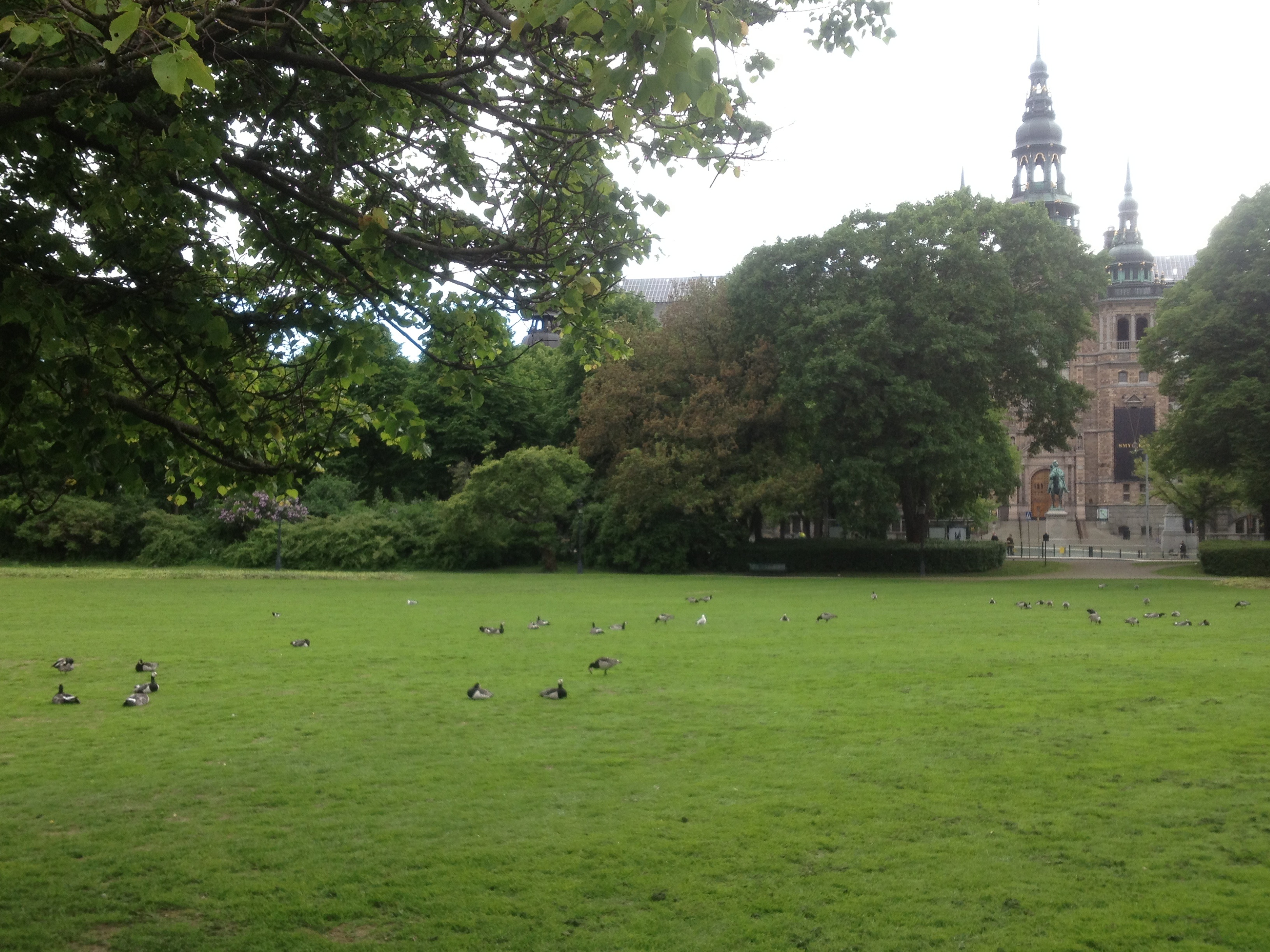
One of the grassy areas on Skansen.
One of the grassy areas on Skansen.

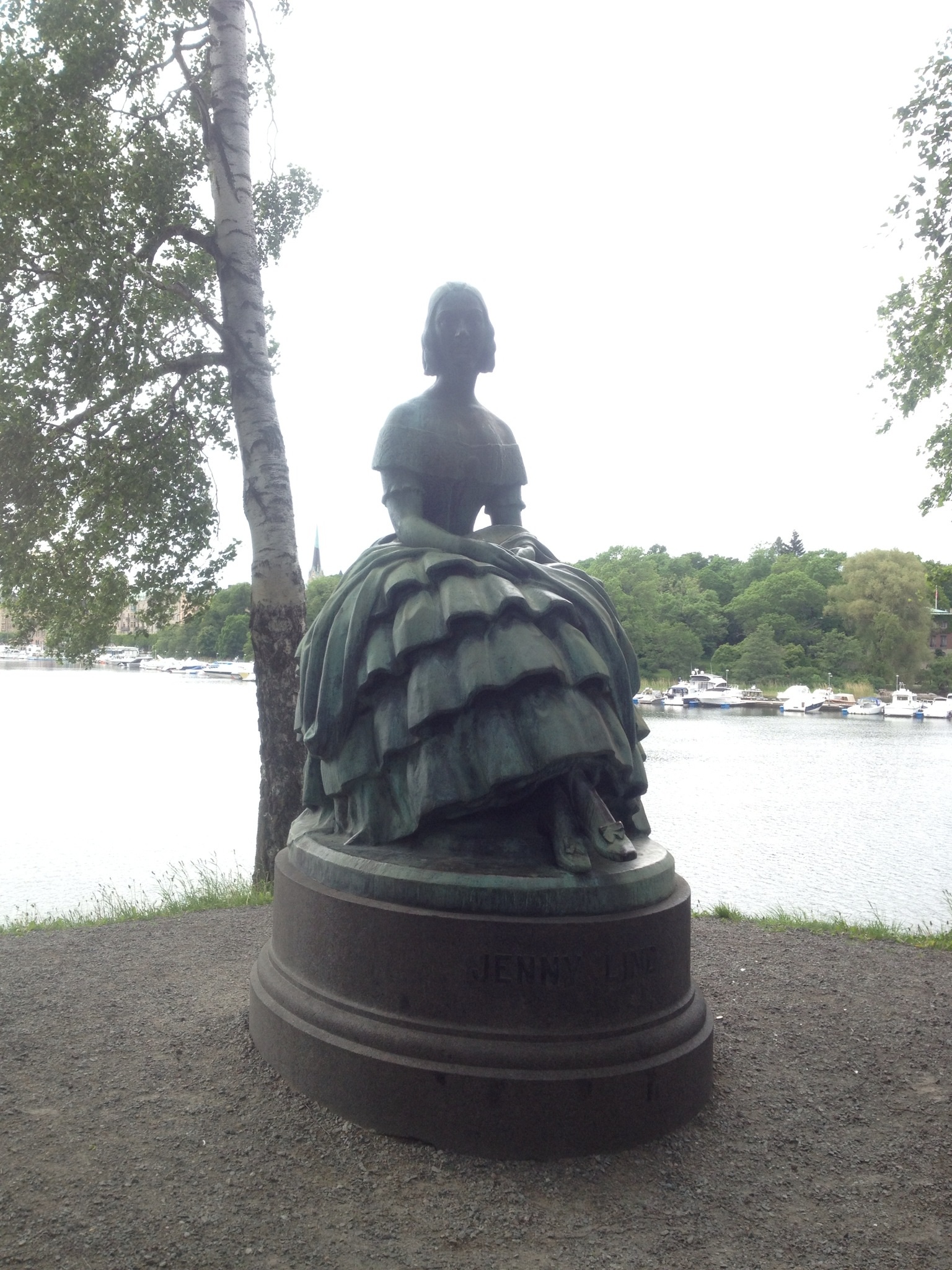
One of the Skansen statues along the river side.

One of the Skansen statues along the river side.

One of the more isolate parts of Skansen, were I took some time to myself.
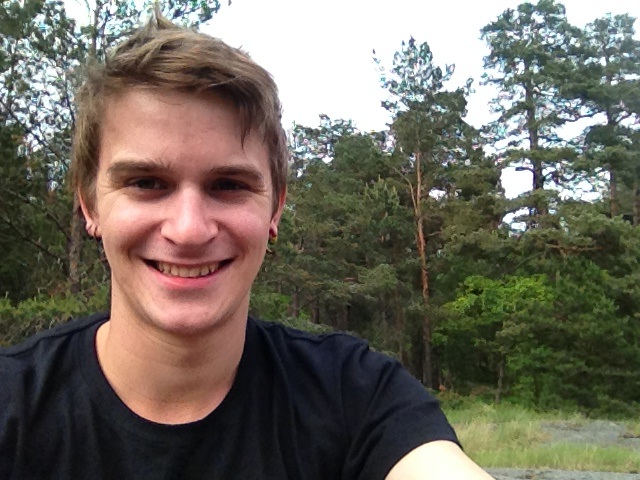
One of the more isolate parts of Skansen, were I took some time to myself.

Skansen selfie.

Skansen selfie.

***

It’s hard to really say what I did with my nights in Stockholm, because there was really so little of them. I’d spent longer than I’d realised on my first night pouring over maps and timetables, trying to get a better idea of where I was going in Europe and when I would be there, to potentially avoid some of the anxieties I’d had upon arriving here. When I decided it was time to start thinking about dinner – I’d assumed it was approaching six o’clock – I was shocked to see that it was already well after nine. The days were so long that I was literally forgetting to eat. I was there during for a Monday and Tuesday evening, so I decided to give checking out the nightlife a miss – it would probably be, yet again, very expensive, and to be honest the city wasn’t really inspiring a party mood in me. I hung around the hostel and chatted to a few travellers – a few nice and friendly people, a couple of shy and quiet ones, but no one of particular note, or anyone I attempted to stay in contact with.

I guess I spent a lot of time on my own, reflecting on how far I’d come on my journey, and how it was really only a fraction of how far I still had to go. After the close confines of the Trans-Siberian the solitude still felt like something of a luxury, though I knew sooner or later I was going to get sick of being alone. But Stockholm had definitely been a suitable city for solitude and contemplation – the gentle and non-confronting beauty was the perfect background for being alone with my thoughts.

Lake Baikal: Scenery and Saunas

As enthusiastic as I am about efficient public transportation, our train out of Ulaanbaatar had been making such good time that it was actually ahead of schedule, and we arrived in Irkutsk almost a full hour before the expected time. Normally that wouldn’t have been such a bad thing, but we had been due to arrive in Irkutsk at about 8am, which meant we ended up waking up at 6am for our arrival at approximately 7am. No matter the season, Siberia is still extremely cold at 7am. It was hard to believe that only two weeks ago I had been sweating it out in South-East Asia. To top it all off, the fact that we were early meant that our guide wasn’t even at the train station yet, so we all sat around in the terminal building, shivering and shaking and waiting for him to arrive. I had made the mistake of not changing out of my thin material Thailand fisherman pants before getting off he train, so my legs were feeling ridiculously cold.

Eventually Konstantin arrived to meet us at the station. He was a tall, board-shouldered guy, and his face was almost always sporting a wide, slightly goofy grin. He was particularly upbeat and cheerful that first morning in Irkutsk, which was a stark contrast to how the rest of us were feeling. That didn’t dampen his spirits though, and he herded us off into the bus and took us to our first stop – our registration. Even now I’m not entirely sure what this registration business is all about, but it involved us having to part with our passports temporarily, and a small sum of money permanently, in order to receive an official stamped slip of paper with the details of our accommodation. We were told this would happen in every city, yet when he asked Konstantin – or Kostya for short – he shrugged his shoulders and through a sheepish grin replied, “I am not sure. My country does some strange things sometimes. Maybe in case you are a spy?” He chuckled, and there was nothing we could do but laugh along with him.

***

While we had gotten off the train in Irkutsk, it wasn’t where we would be spending the bulk of our time in Siberia. After our registration, we travelled for about an hour on the bus to Lake Baikal, the largest freshwater lake in the world. At its deepest point it is 1642 metres and tip to tip it’s 636 kilometres long, with a surface area of 31,722 square kilometres. Tim explained to me that it is so big it has a trench at the bottom, caused by the gap between two tectonic plates. As we emerged from the forest and into the small town, the lake stretched out and off into the horizon. The morning was a little overcast, and the clouds hung so low that the other side of the lake was hardly visible, and we could have easily been looking out onto the open ocean. After stopping to shower and refresh ourselves at the hotel, which was more of a quaint little B&B, we met back down by the lake for lunch. Russian cuisine isn’t too different from Mongolian, especially out here in Siberia, but I had a traditional Russian salad that absolutely blew my mind. It was essentially just a salami salad that was drowning in sour cream, but both creamy food and fresh vegetables were things that hadn’t featured too heavily in my diet lately. Dan commented that I practically inhaled it. I asserted that it was a talent.

Overcast morning at Lake Baikal.

Overcast morning at Lake Baikal.

After lunch we went on a short walk to a nearby lookout with good views of the lake. Or at least Kostya told us it would be a short walk. “Not far, just… hmm… 10 minutes.” Maybe we were all just walking a lot slower than he was used to, because it took us about 20 minutes to walk down the long main road to get to the base of the hill, which we had to walk up in order to get the chairlift which would take us to the very top. The sun had finally showed up at this point in the afternoon, but we were all rugged up in our warm Siberian clothes, so the result was a bunch of hot and sweaty tourists slowing undressing as we ascended the hill. Once we reached the chairlift, we were also given the option of walking to the top. Given all the walking we had done just to get there, and the fact I played my hill climbing card back at the Great Wall, I felt that I was well within my right to cop out and take the chairlift. Regardless of how we got up there, I was glad we did – the view of the lake with mountains bursting out of the horizon in the distance was well worth the small effort to get there. “I’m kind of glad he lied about how close we were,” Alyson commented as we soaked in the view. “I feel like we we’re all so tired that we mightn’t have done it if we’d known.” The sun had well and truly emerged from the clouds, and the afternoon was brilliantly picturesque. Despite the effort, it was ultimately relaxing, and as we sat down in the sunshine with some cold beers, I was thankful that we were staying in remote countryside again, rather than a bustling city. The downtime surrounded by nature was doing wonders for us all.

Chairlift up the hill.

Chairlift up the hill.

Clear view of the mountainous horizon from the look out - its was hard to believe it was the same day that it was that morning.

Clear view of the mountainous horizon from the look out – its was hard to believe it was the same day that it was that morning.

Me looking pensively out across Lake Baikal.

Me looking pensively out across Lake Baikal.

***

My favourite thing about our entire stay at Lake Baikal was probably the sauna at our hotel. After the trek back from the lookout, Tim, Dan, Claire, Matt, Jen and myself all got changed into our swimmers and headed for the steam room. It grew a little chilly as the evening rolled around, although it would remain a bright twilight for hours, but inside the sauna we were sweating it out at temperatures of about ninety degrees Celsius. Kostya joined us, dressed in nothing but a skimpily clad towel, to help operate the sauna, but he also had another surprise. Traditionally, in Siberia they use soaking bunches of birch leaves to throw water onto the hot coals and create the steam, and the branches have another purpose. After soaking them in hot water, the bundles of leaves could be used as tools of massage. We all took turns to lie down on one of the wooden benches while Kostya brushed, tickled, and gently whipped us with the birch tree branches. The smell of the foliage also seeped out from the leaves and hot water and mixed into the steam, creating a pleasant aromatherapy atmosphere in the sauna.

After a little while the heat would become overwhelming and we would have to step outside to cool off a little. Sometimes we would just step out into the outer room, where there were showers to rinse off, and other times we’d leave the building in which the sauna was located entirely, to let the Siberian chill tingle our hot steaming skin. When it came time for my birch leaf massage, we’d just returned from the outside air, and so the heat of the sauna enveloped me and dragged my body movements down to a crawl. I climbed up onto the wooden seat, laid face down, and waited for the massage to begin. Obviously it wasn’t a hard or deep tissue massage, but the feeling of the warm, wet leaves being dragged across my back was a peculiar sensation, somehow simultaneously relaxing and invigorating. Though the highlight was when he got to my feet – we had been standing out in the cold, and my feet had probably lost more warmth than anywhere else in my body. Normally my feet are quite ticklish, but as Kostya covered my feet with the dripping birch leaves they were filled with a warm sensation that felt so good it was almost paralytic.

After getting me to roll over and continuing the massage on my chest and arms, Kostya threw the branches back into the bucket of water and said, “Okay, let’s go shower!” By this, he meant step out of the sauna so he could douse you with clean, fresh water. Now, I’m not saying that I was exactly attracted to Kostya, but it had been a while since I’d been half-naked and sweaty with another man after getting a massage, and he did have quite a good physique – as I’d been unpacking that morning, I’d watched him and another guest have a push-up competition and let me tell you, the boy’s got guns. So I may have been a little flustered when the two of us stepped outside.
“Cold or hot?” Kostya asked me. I wasn’t sure what he meant.
“Cold… or hot?” I repeated back to him like a parrot.
“Water for shower,” he said as he pointed to the buckets. “You like hot or cold?”
“Um, warm?” I put my hand in the bucket he’d indicated to me hot, and instantly pulled my hand back out. “That’s cold!”
Kostya laughed. “Is not cold, just feels cold, ’cause… hot from sauna.” He made me feel to cold one, which felt like ice in comparison, to prove his point. “So, cold?”
“Yes but… that cold,” I said as I pointed to the warmer of the two buckets.
“So you want hot?”
I couldn’t believe how much I was stumbling through my words for such a simple decision. “Sure, bring it on,” I finally said. I was most likely going to squeal like a little girl either way, and the cold shower was quickly becoming more of a necessity.

“Okay – one, two, three!” Kostya said as he reached over me and tipped the water over me. No matter how warm he said it was, I was still a shock to the system and I’m fairly confident I let out a loud yelp as he doused me with water, washing away the bits of twigs and leaves that had stuck to me during the massage. Kostya just laughed and threw some more water on me. Cold as it might have been, it was actually amazing – the drastic change in temperature does wonders for your pores and skin, and leaves you feeling like a whole new person. I skipped away from the sauna slightly shivering in the Siberian air, but on the whole feeling like a million bucks. It was the highlight of my time there, to the point where I even went back the next night with Kaylah, Alyson, Rach, Marti and Tim.

***

Dinner also proved to be a new traditional cultural experience. On the morning we arrived in Irkutsk, Marti had attempted to pump us all up a little bit. “You guys ready to eat some dill-icious food!” She’d explained that Russians love putting dill in all their cooking – I didn’t know how I felt about that, as it wasn’t a herb I could recall coming across too often, and so couldn’t think to whether or not it was a taste I enjoyed. As we sat around the table to eat a meal that the hotel owner had prepared for us, there was a ripple of laughter around the table as the plates were set down in front of us, the generous servings of chicken and rice topped with an even more generous serving of dill. “Looks dill-icious!” Marti said through her big smile, and we all laughed along and enjoyed what was actually a delicious home cooked meal. I actually use the word ‘delicious’ a lot in my general everyday discussion of food – yes, I talk about food a lot – so the rest of the group probably thought I was intentionally overing-using the pun and persistently beating the dead horse. I swear I wasn’t, guys – it was just was delicious.

The local vodka featured heavily during our stay at Lake Baikal.

The local vodka featured heavily during our stay at Lake Baikal.

But it wouldn’t have been a night in Russia without vodka – and we’d stocked up. We started at dinner and kept going into the night until it finally got dark, which actually wasn’t until after 11pm. There wasn’t exactly anywhere to go and party though, in this remote town, so we just sat around the dinner table talking. Slowly but steadily, the numbers began to wane as people headed to bed, and as the group become smaller and more vodka was consumed, the conversations turned a lot more deep and personal. In the end it was just Tim, Alyson, Kaylah and myself, and I feel like that night was a pivotal point in our group bonding. We’d all been together for over a week, and while it was surprising how well you get to know people when you spend so much time with them, I feel like it was those moments of candid confession and revelation that turned most of us into not just travelling companions, but also good friends.

China’s Greatest Hits: Sightseeing in Beijing

My overland trip through Central Asia was going to have one major difference from the rest of my travelling – I was going to be on a tour, travelling with a bunch of other people. After travelling solo for so long, I was actually quite excited to be returning to some sort of a schedule where there was a little less uncertainty at the beginning of each day. I was also going to be going through some countries where English is not as common as it is in places like Thailand and Vietnam – in that sense, they’re not places I’d be able to visit at all unless I was under some sort of guidance.

When I arrived back at the hotel after my trip to Beijing Zoo, I was greeted by our guide, a Chinese woman whose English name was Snow. She led me into another room where some of the other travellers were waiting, so I took a seat and waited for everyone to arrive. There were thirteen people in our tour group – two girls from America, two couples from the UK, and then four girls and two guys who were Australians. Snow briefed us all about the Chinese part of our trip, and talked to us about what we wanted to do. The tour I was on was a little different to most – there was no strict set itinerary, and each individual was allowed to chose whatever they wanted to do, and decide how they wanted to fill their time in between the train journeys between cities. However, there was a unanimous vote to see China’s most popular tourist attractions: Tiananmen Square, the Forbidden City, and the Great Wall of China.

***

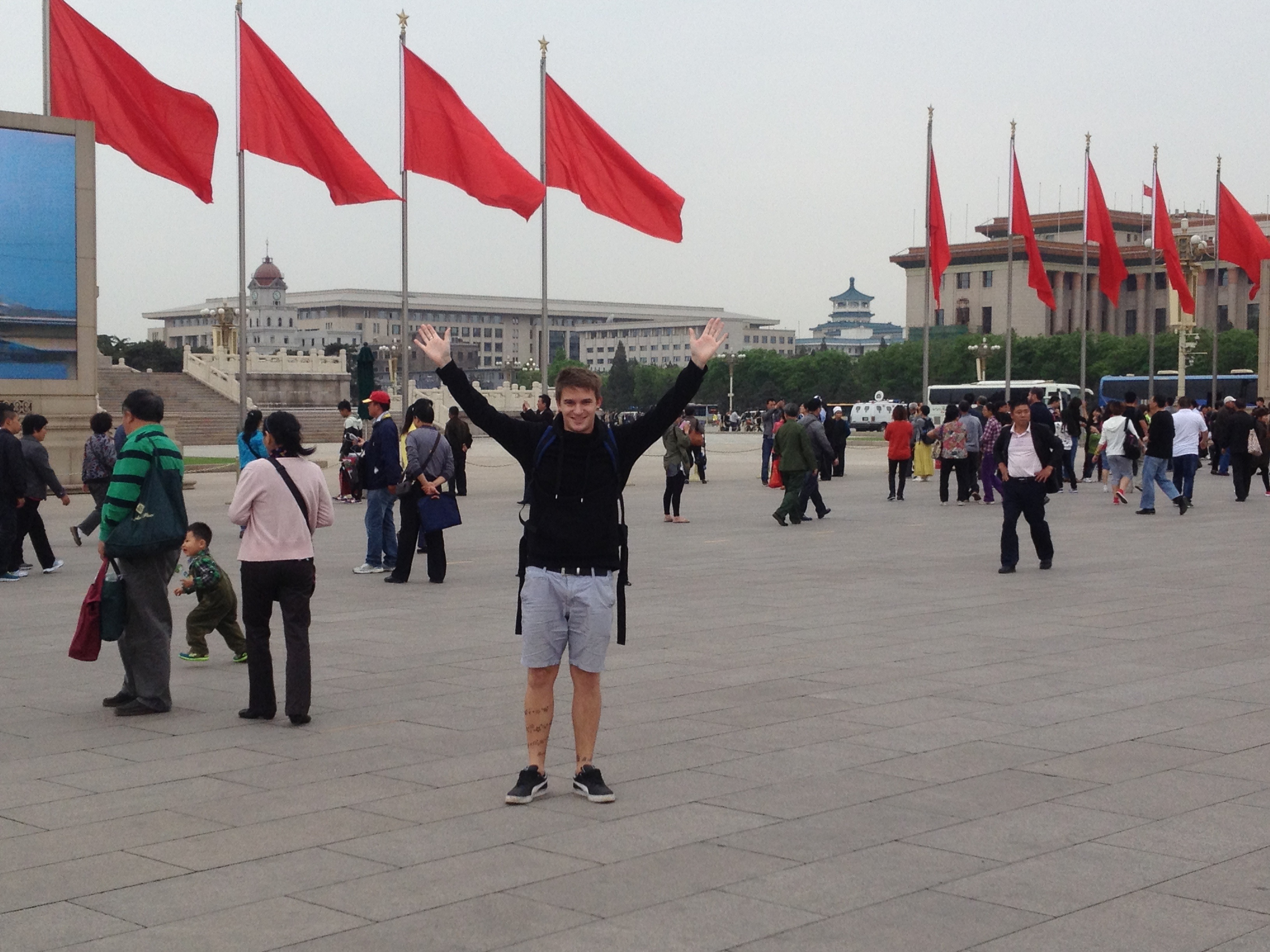
The following day was supposed to be quite cool and overcast, so we decided to hold off on our journey to the Great Wall until we had better weather. So on our first morning as a group, we met Snow at the hotel and then walked to Tiananmen Square. We were told it was the largest city square in the world, and could hold at least one million people. There’s also a flag pole where a flag raising ceremony is held at sunrise every morning – Snow told us we could attend it tomorrow morning if we wanted, but I decided that after Angkor Wat I had already played my “awake at sunrise” card for this month. The square itself was an interesting space though, not dissimilar to places like Martin Place back home in Sydney, although exponentially bigger – I was informed that the vast space in front of us was only half the square, and that it continued on the other side of the central monument, a memorial dedicated to the people who died in the Chinese Peoples Revolution, and the mausoleum of Chairman Mao, which has thousands of visitors every day, coming to pay respects to the former leader. However, I was surprised to find that many Chinese people still don’t know about the fatal student protests that happened in that very square in 1989. For me, it was a shocking example of just how much censorship the Chinese government imposes on its population – and here I was thinking how terrible it is that they block Facebook!

Myself in Tiananmen Square.

Myself in Tiananmen Square.

The Forbidden City.

The Forbidden City.

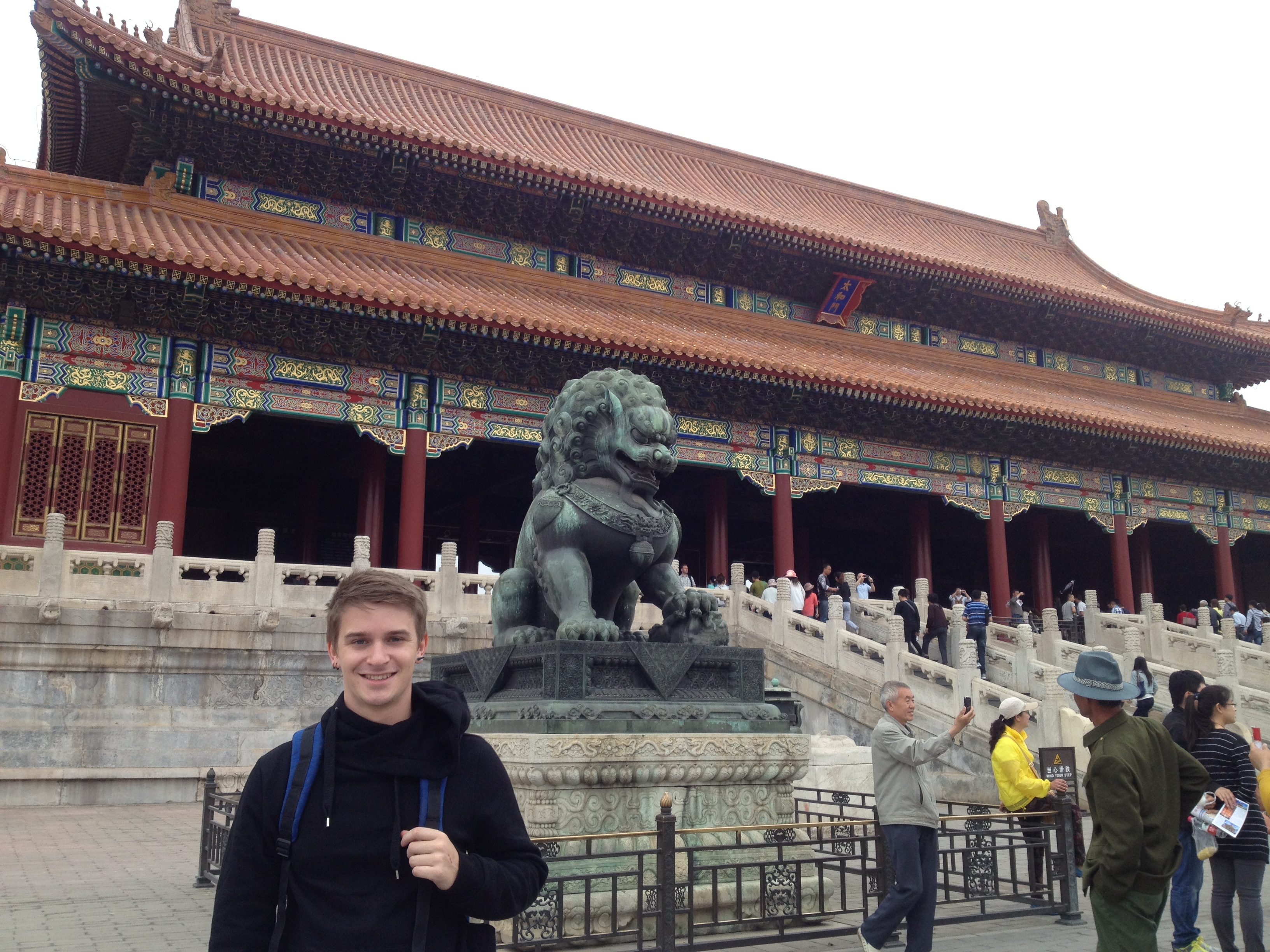
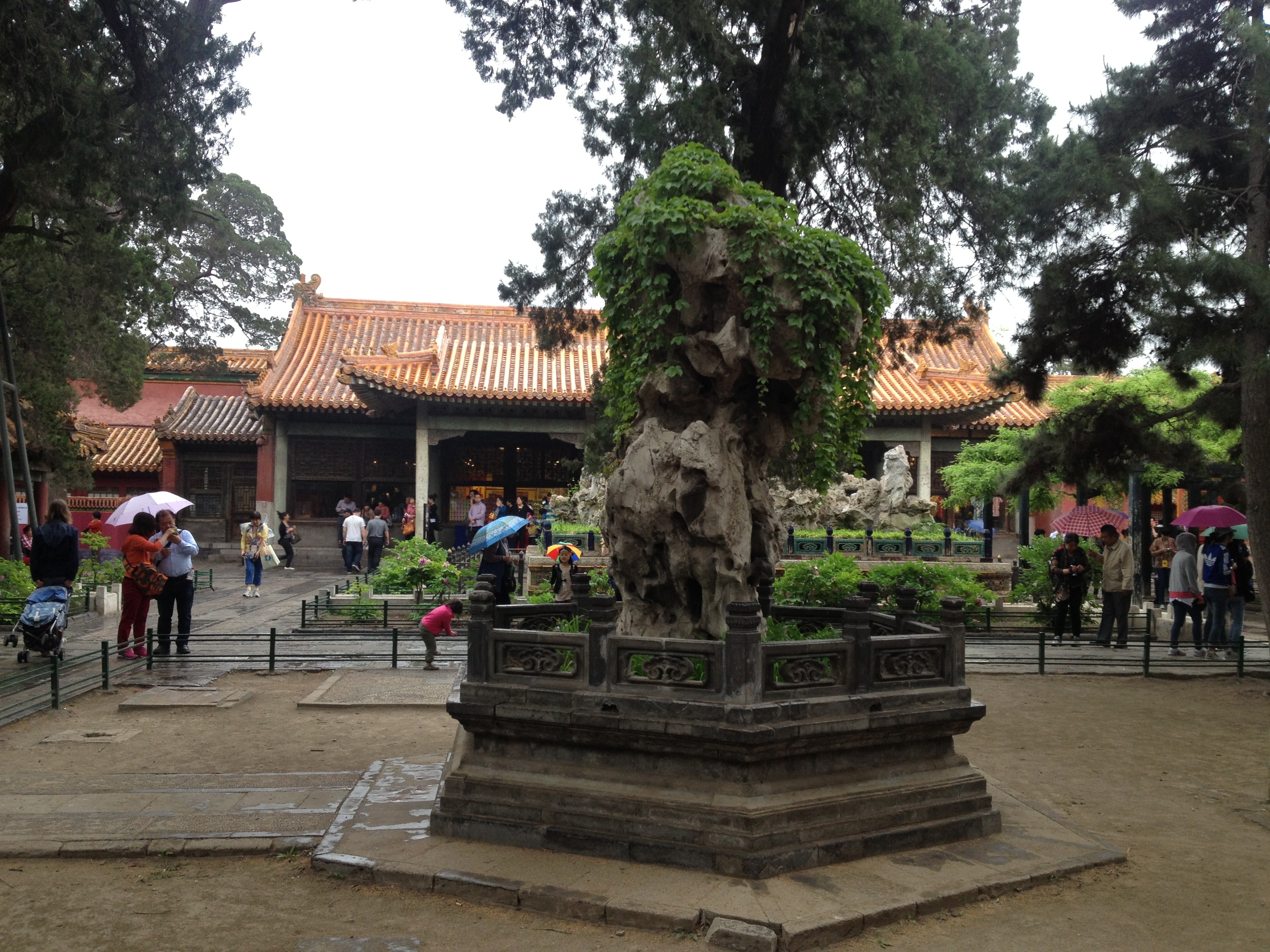
After having a wander through Tiananmen Square, we crossed the road to the Forbidden City. The name sounds more intimidating than it really is – it simply comes from the fact that the Forbidden City was former the home of the Chinese Emperor, and therefore the common people were forbidden from entering. Snow took us through the City, pointing out some of the finer details in the architecture and design, and telling us stories about the history of the buildings and the people who once resided in them. The Chinese royalty haven’t lived in the Forbidden City since 1912, and it was opened to the public about a decade later. I also noticed that many of the buildings had scaffolding around them, indicative of reconstruction and repairs that were underway. It reminded me of places like the palaces in Bangkok and Phnom Penh, and the temples at Angkor Wat. When you see pictures of them, they look like impressive buildings that have withstood the test of time, but in reality they are in a constant state of upkeep and conditioning, something that you can only really see if you visit the places for yourself – or see amateur photographs that don’t make it into the advertisements or guidebooks.

Standing with a lion statue inside the Forbidden City.

Standing with a lion statue inside the Forbidden City.

The Imperial Garden inside the Forbidden City.

The Imperial Garden inside the Forbidden City.

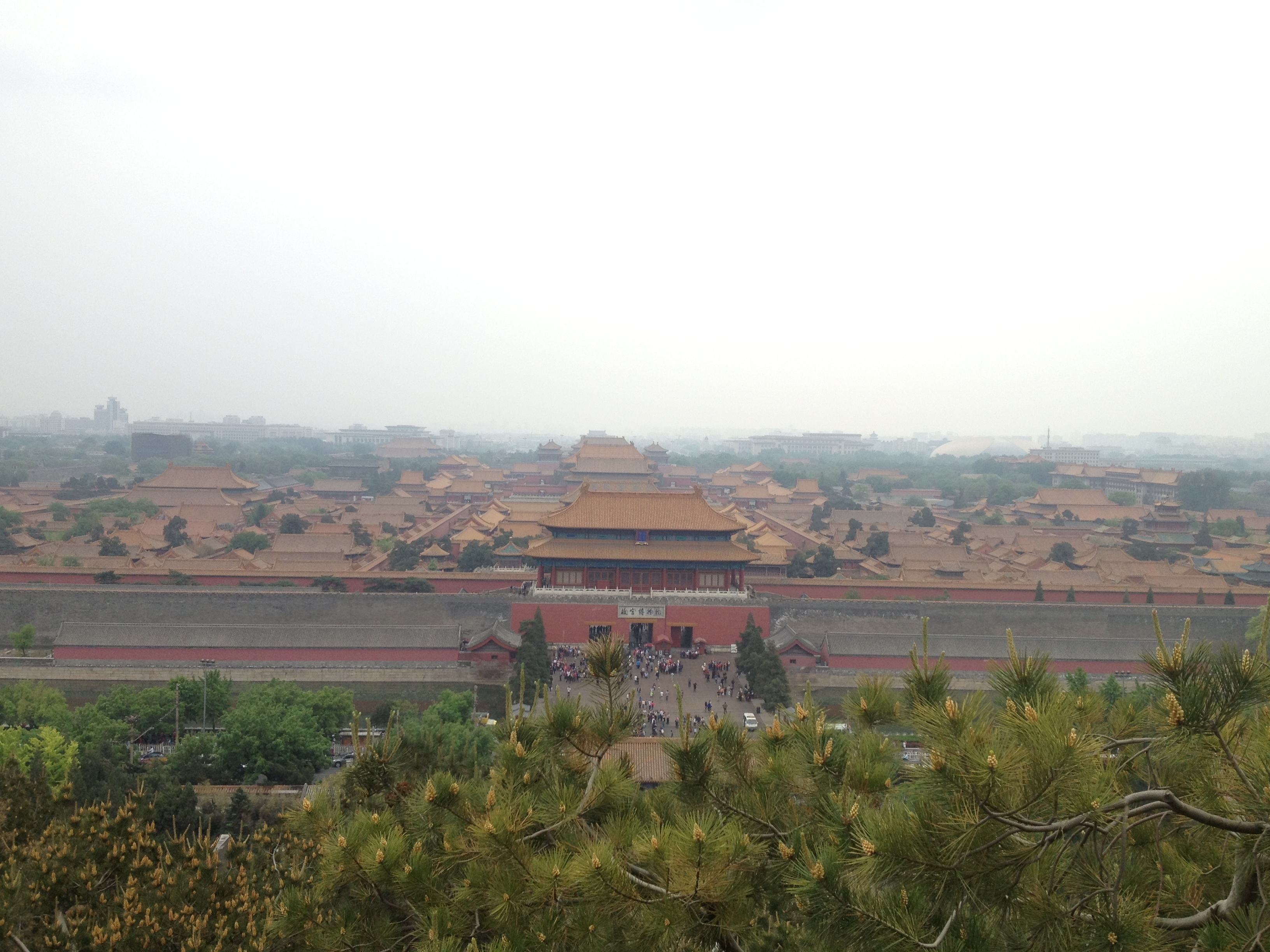
After spending a couple of hours wandering through the Forbidden City, Snow took us to a garden behind the city called Jingshan Park, where there was a tower from which you could have a wide, panoramic view of the Forbidden City and the surrounding areas of Beijing. From that vantage point we could see just how bad the city’s pollution really is. Part of it may have been due to the overcast weather, but there was still an undeniable thick smog that clogged the horizon. It was still an interesting view in its own weird way, and didn’t diminish the enormity of the city – buildings and civilisation stretched on in every direction, as far the eye could see.

The view of the Forbidden City from Jingshan Park tower.

The view of the Forbidden City from Jingshan Park tower.

***

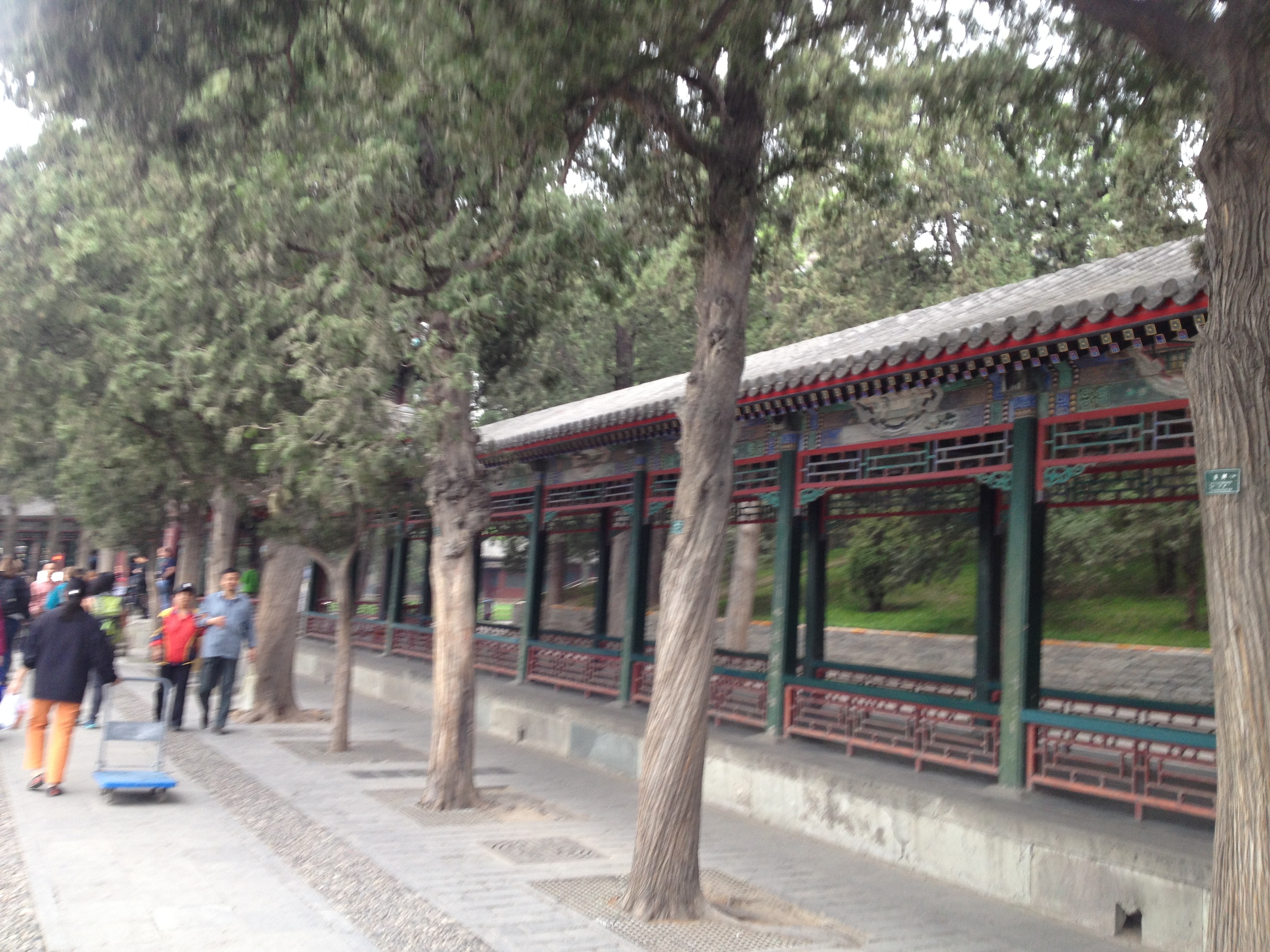
After lunch, we caught the delightfully efficient subway system out west to visit the Summer Palace, another ancient building that housed different members of Chinese royalty throughout history. We walked along the banks of the artificial lake while Snow told us stories and explained different aspects of the landscape and buildings. Within the Summer Palace was a building called the Tower of Buddhist Incense, a large tower which also provided us with spectacular views of another area of Beijing. Even though the air was thick with clouds and smog, we could still see quite far into the distance over the lake, and the weather gave the whole place a sacred and mystical feeling.

Inside the ground of the Summer Palace - an area about 4 times the size of the Forbidden City.

Inside the ground of the Summer Palace – an area about 4 times the size of the Forbidden City.

View from the Tower of Insence.

View from the Tower of Insence.

One thing I began to notice, after having it pointed out by some of my other companions, was that Chinese people just love to get photos with white people – whether or not they have your consent isn’t really even an issue. As I stood at the top of the tower, looking down at the scene beneath me, a noticed someone standing a couple of steps below me. She was a Chinese woman who had been standing next to me just moments ago – she had repositioned herself and was now holding her camera up to take a photo of herself, clearly angled to have me in the background. My reaction was one of both amusement and annoyance, and I rolled my eyes as I side-stepped out of the picture. It wasn’t the first time it had happened – sometimes they’re even quite direct and simply approach you and ask if they can have their picture taken with you. Sometimes I oblige, other times I can’t be bothered, but I found it kind of rude to try and take pictures like that without even having the decency to be discreet about it. The local Chinese tourists love to pose and have their photo taken in front of everything – from the biggest landmarks to the most basic and insignificant details. I just wondered how they would react to one of us coming up and shoving a camera in their faces and calling it a holiday snap.

***

Our second day in Beijing would see us headed to the Great Wall of China, which is about a two hour drive out of the city. There are a lot of different locations where you can visit and climb the wall, but Snow had suggested we go to an area called Mutianyu, which was a little further than the other more popular tourist section of the wall, but was supposed to be one of the most beautiful spots. All I can say is if Mutianyu wasn’t the most popular section, I’d hate to see how many people were at the bigger tourist area. There were lots of groups of Westerners, but there was also huge amounts of domestic tour groups from other parts of China, including a massive group of school children.

There were two options for getting to the top of the Great Wall – riding a cable car or climbing the steps all the way to the top. Most of the group wanted to get the cable car, but I kind of wanted to walk. “I want to be able to say ‘I climbed the Great Wall of China’, not ‘Yeah I took a cable car to the top ’cause it seemed like a lot of stairs'”, I had said, and luckily Kaylah, one of the American girls, had shared a similar sentiment. So the two of us set off to climb the stairs while the rest of the group piled into the cable car. I quite enjoyed the walk up with Kaylah, because it was the first time I’d really gotten to get to know someone from the group one on one. Since we had an uneven number of people in our group, I had ended up being by myself in my room at the hotel. While I loved the little bit of privacy, it meant that I’d only really interacted with my group members in group situations. I hadn’t really made new friends or gotten to know anyone since meeting Laura back in Cambodia, so it was fun to talk to Kaylah and get to know a little more about each other, making jokes here and there and motivating each other as we made the steep ascent up the hill to the Great Wall.

Snow had said it would take about half and hour, but together Kaylah and I managed to conquer the steps in just under twenty minutes. We thought it was an impressive achievement, regardless of how out of breath we may have been once we reached the top. We stopped for a moment to catch our breath, and take some photos of the magnificent view. It was completely different from the kind of views we’d had back in Beijing – the sun was shining brightly in a clear blue sky, and you could see the Chinese mountains and countryside stretch on in all directions. The wall itself was an interesting structure – after the trek from the ground level up to the top, I hadn’t expected there to be more stairs. But as the wall snaked up and down the contours of the hill, there were old flights of stairs going up and down, made even more peculiar by the fact that many of the flights tilted either left or right, as well as having vast variations in steepness from flight to flight. It made for an interesting and somewhat challenging walk along the wall, though the real challenge was trying to take a photo without a horde of other tourists in the picture.

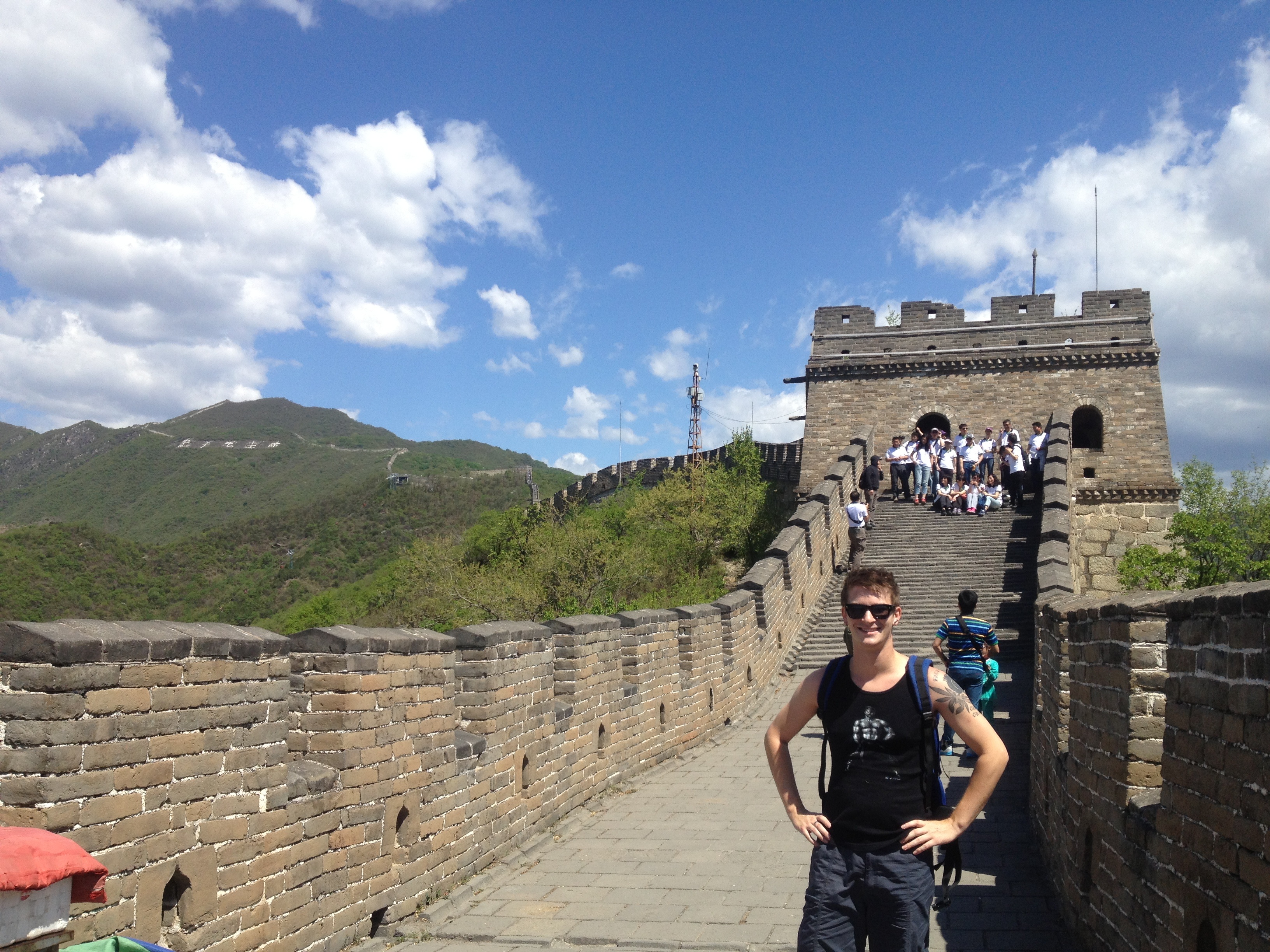
Feeling very proud of myself after claiming the Great Wall of China.

Feeling very proud of myself after claiming the Great Wall of China.

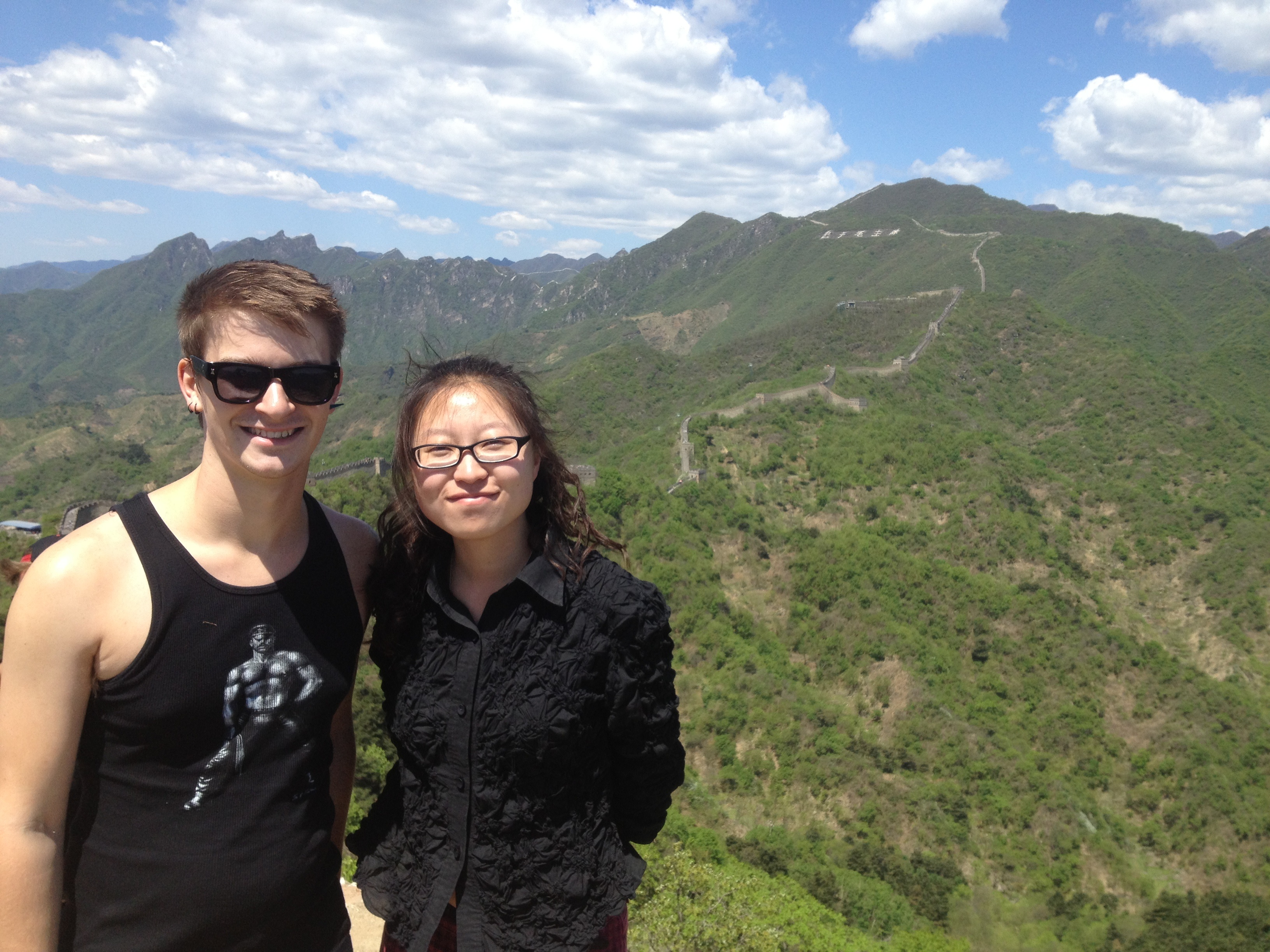
At the highest point of the wall with our guide, Snow.

At the highest point of the wall with our guide, Snow.

We walked along a section of the wall, enjoying the views and taking photos, until we caught up with the rest of the group who were on their way back down. Kaylah and I continued on until we reached the highest major outpost that was accessible to tourists, and then made our way back to the bottom of the wall. However, instead of walking down, we decided to take the fun option and ride the toboggan down. It was a similar set up to theme parks in Australia like Jamberoo – a metal half-pipe tube that snaked down the mountain, which you rode down on a toboggan with a single lever to control acceleration and breaking. It was a fun way to reward ourselves after all the walking we’d done on the way up, even though we were slightly stifled by the Chinese tourists who weren’t as enthusiastic about gathering speed as Kaylah and myself. We just laughed it off and puttered along behind them, enjoying the fresh air, amazing views, and the fact that we’d just walked along one of the great wonders of the world.

***

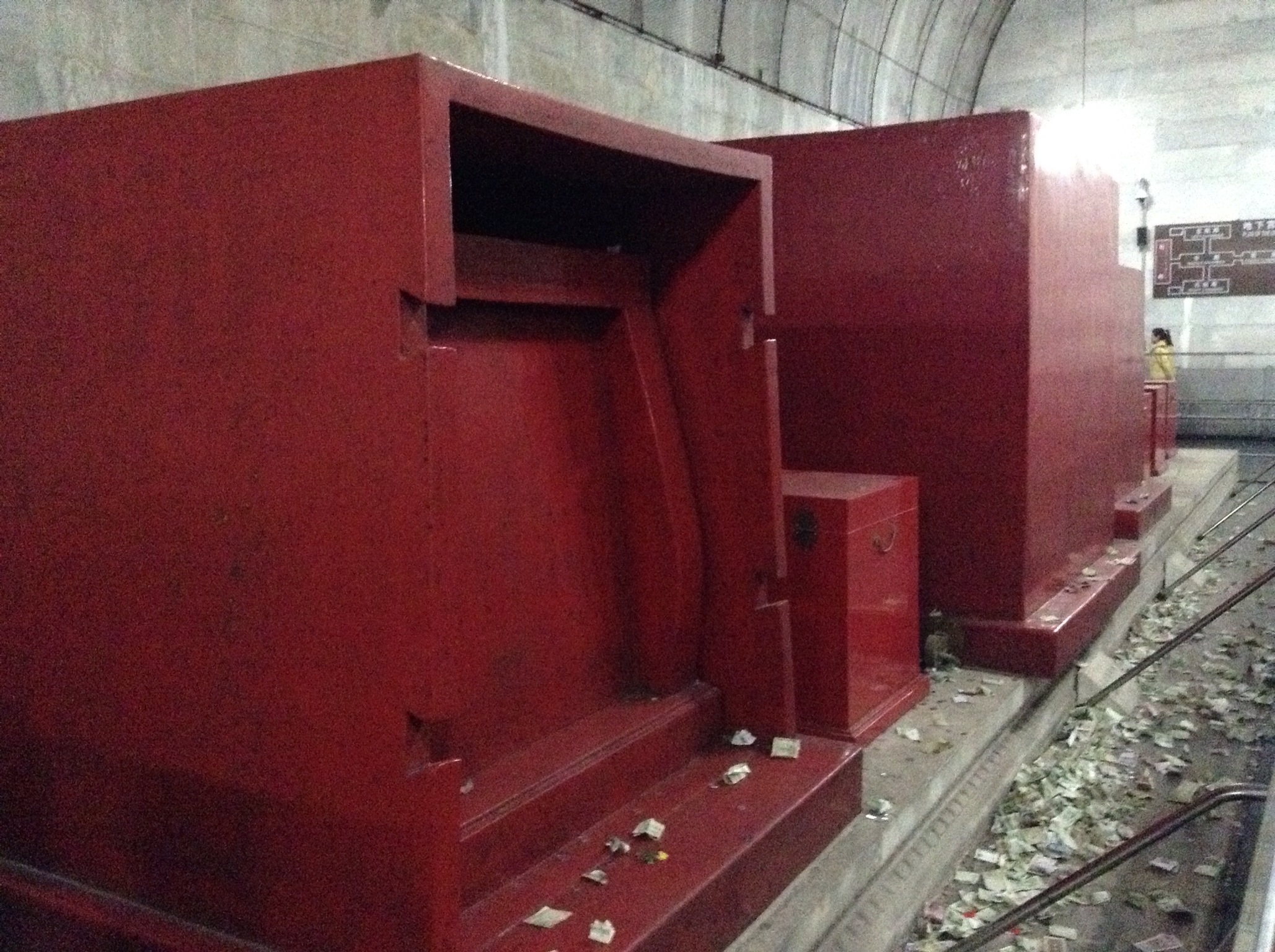
The last stop of the day was the Ming Tombs, a huge mausoleum complex where thirteen of the sixteen emperors of the Ming dynasty were buried. We went down into the tombs to see the coffins, and visited the several exhibitions and museums, before piling back onto the bus and heading home. While we’d had two full days of sightseeing in Beijing, looking at maps and guidebooks and seeing all the other things we didn’t see made me realise just how huge a city Beijing is, let alone the enormity of the country of China. I’d had a couple of unpleasant experiences, but on the whole my visit to Beijing was interesting and enjoyable. Despite that, I definitely felt I was ready to get up early the next morning and begin our trek to Mongolia.

Huge coffins in the Ming Tombs.

Huge coffins in the Ming Tombs.